How a guide is made
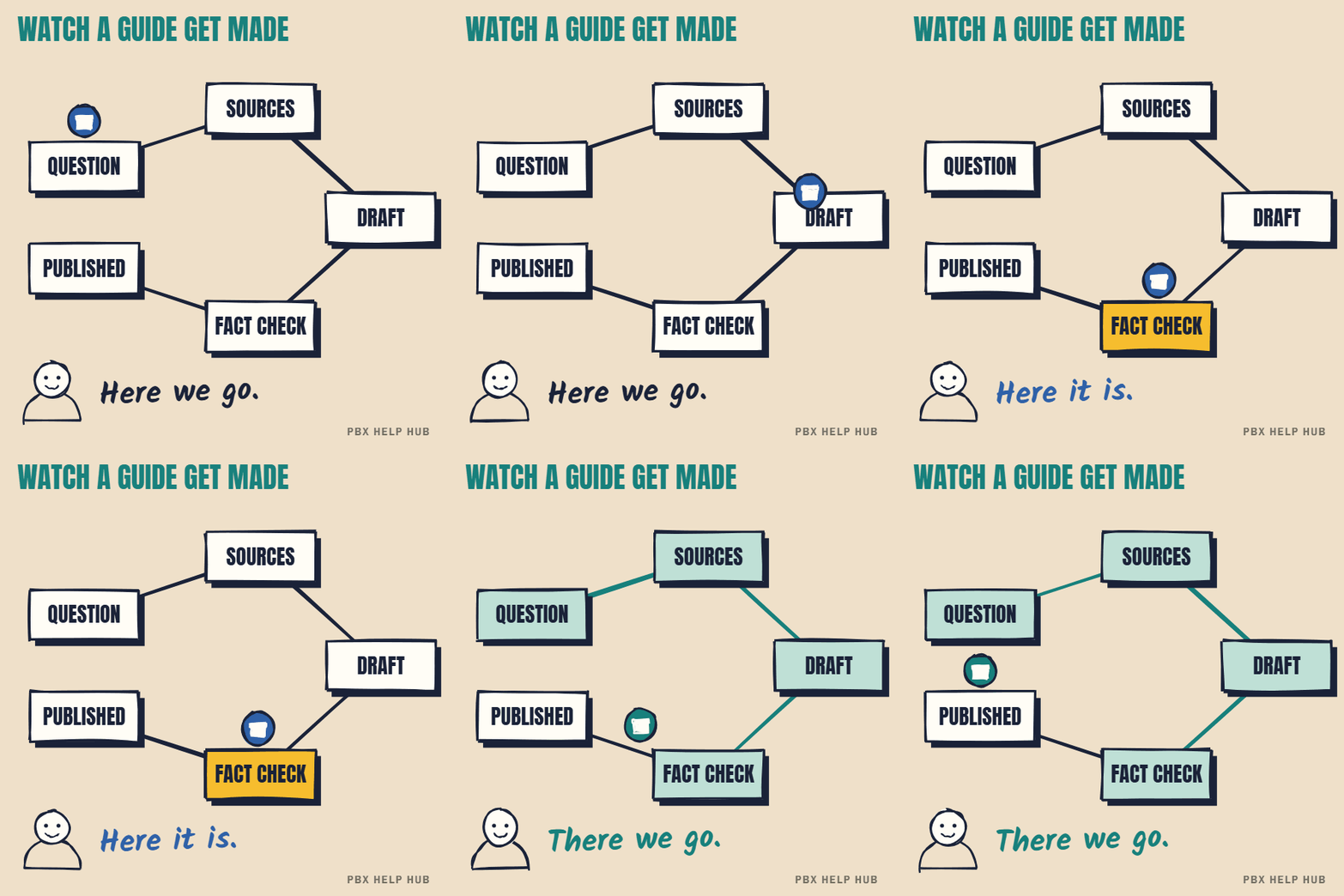
- Start from real questions. We choose topics from what people search for.
- Research official sources. The maker's own documentation, release notes and lifecycle notices come first; forums only point us to questions.
- Write answer first. The likely cause and a safe first check, in plain English, before any detail.
- Fact check. Technical claims, menu names and warnings are checked against the maker's documents.
- Say what varies. We don't test every step on real equipment, so anything that changes between systems is marked as something to confirm on yours.
- Publish with a date. Where a detail depends on the software release, the page says so.
- Review regularly. We recheck pages on a schedule and whenever a maker publishes a relevant change.
Our rules
- Read-only before change. We suggest looking and test-calling until a change is clearly needed.
- Safety first. Every guide says what not to touch and when to stop.
- Sources, not guesses. Each guide lists the sources it relies on.
- Independent. We're not affiliated with Avaya, Mitel, Cisco or NEC. When replacing makes sense, we compare every option fairly, keeping your system included.
- No hidden answers. Nothing is locked behind a form.
What we check
| Check | Question |
|---|---|
| Accuracy | Is every technical statement true for the releases listed? |
| Safety | Could any step drop calls, lose data or affect emergency lines? |
| Order | Do the checks go from safest and most likely to riskiest? |
| Clarity | Could an office manager follow it without help? |
Corrections
If something is wrong, tell us through the review form. We fix it and update the date on the page.
How the site is funded
PBX Help Hub is free to read and carries no advertising. At present, no manufacturer or supplier pays us for recommendations or referrals. If you ask us for a review or for support, any price is agreed with you first. If that ever changes, we'll say so on this page.
Our sources, in order of trust
We rank sources by how directly they come from the maker or regulator.
- The maker's own documentation and release notes for the exact version.
- Notices from carriers and regulators, such as Openreach and Ofcom.
- Trade and reseller notices, used only where the maker publishes nothing, and named as such.
- Forums, used only to find the questions people ask.
How we handle uncertainty
If a fact depends on the version, the setup or a date we can't confirm, we say so on the page. We'd rather say less than say something wrong.
What we won't do
- Invent statistics, reviews or quotes.
- Use manufacturer screenshots or photos without permission.
- Recommend a product because of a commercial arrangement.
- Suggest a risky change without saying it's risky.
Common questions
How are the guides checked?
Against the makers' published documents and notices, with the sources listed on each page.
Are you affiliated with Avaya, Mitel, Cisco or NEC?
No. We're independent.
How often are guides checked?
On a regular schedule and whenever a maker publishes a relevant change.
How do I report a mistake?
Through the review form. We fix it and update the date on the page.
Sources
Last checked 9 November 2026 against the sources listed here. Menus and defaults can differ by software release, so confirm them on your own system. Spotted a mistake? Tell us.